
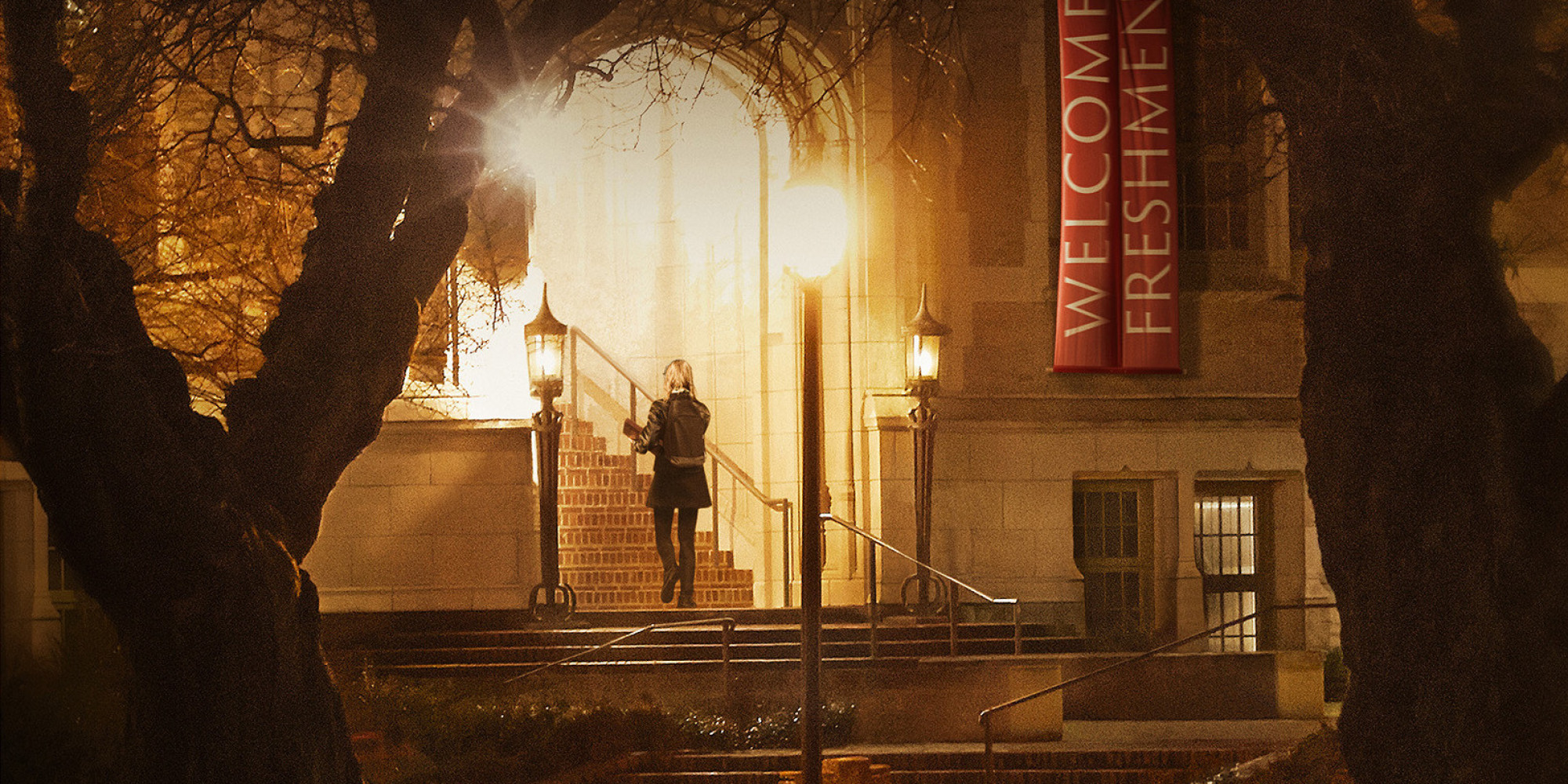
A week ago, CNN aired “The Hunting Ground,” a documentary aimed at exposing the prevalence of rape in all too many college campuses. One of the many stories “The Hunting Ground” profiled was that of Erica Kinsman, a Florida State student who accused Heisman Trophy-winning quarterback Jameis Winston of raping her. In the film, Klinsman accuses Florida State and the Tallahassee Police Department of complicity because of her perception that they failed to thoroughly investigate her allegations despite the fact that Florida State hired a former State Supreme Court justice to arbitrate.
Florida State President John Thrasher blasted the film, saying that its depiction of the Winston case supported a “simplistic narrative” replete with “major omissions and glaring distortions.” Trasher’s point is a reasonable one: Because the film failed to interview a single university official, it left viewers with the facile impression that “colleges and universities are to blame for our national sexual assault crisis.”
Unfortunately, the statements of Thrasher were roundly criticized on social media. Thousands of advocates shared videos of Erica Kinsman’s story accompanied by the hashtag #StandWithErica and by invectives directed against Thrasher and the Florida State administration.
The Florida State episode is illustrative of the hysteria of many advocates across the nation. And it is tragic that the distorted views of these advocates are detrimentally impacting the policies advocated for and enacted by major colleges and national organizations.
Consider Stanford’s newly released Title IX procedures for handling sexual misconduct. Among the Provost and the President’s recommended changes were increased education on sexual assault protection, the removal of undergraduates from Title IX adjudication panels and the recordation that expulsion be the default sanction for those found guilty of sexual assault. These are all important policy proposals that are worthy of discussion, but administrators failed to address how to better consider the due-process rights of the accused. Such deliberations are more than merely academic: Palantir cofounder Joe Lonsdale’s ten-year campus ban for sexual assault was overturned as “new evidence” emerged clearing his name. Falsely accused individuals who cannot afford hundreds of thousands of dollars in legal fees are liable for having their reputations inextricably tarnished. Yet those who advocate for the due-process rights of the accused are all too often labeled as rape apologists.
Or consider the National Panhellenic Council, which last month withdrew its support for The Safe Campus Act in a move lauded by activists around the country. The Safe Campus Act is a policy that mandates that all college sexual assault survivors approach the police before a college investigation is propagated and require that school punishments are only determined after the criminal investigation has run its course. This bill is designed to promote a fairer adjudication process: College adjudication panels, which are often comprised of professors and graduate students and not law enforcement officials, are ill-equipped to investigate and obtain all relevant facts. By including law enforcement, colleges can be better positioned to make informed decisions. Of course, college adjudication panels can and should determine guilt at a lower threshold than the criminal justice process, but by working with law-enforcement and by allowing the legal process to run its course, colleges can ensure that all sexual assault cases are thoroughly and fairly deliberated. Unfortunately, advocates have slandered the Safe Campus Act, framing it as a bill which persecutes survivors.
The case of sexual assault is a difficult one, because there is no denying the trauma and visceral emotion of survivors. However, if we want to create a campus culture where sexual assault is severely punished but the accused still maintain vital civil rights, we must step away from emotionally-charged discussions and have rational, fact-driven discourse. This is why “The Hunting Ground” fails to adequately capture the discussion on sexual assault.
By: Kiran Sridhar
Originally published on The Stanford Daily.